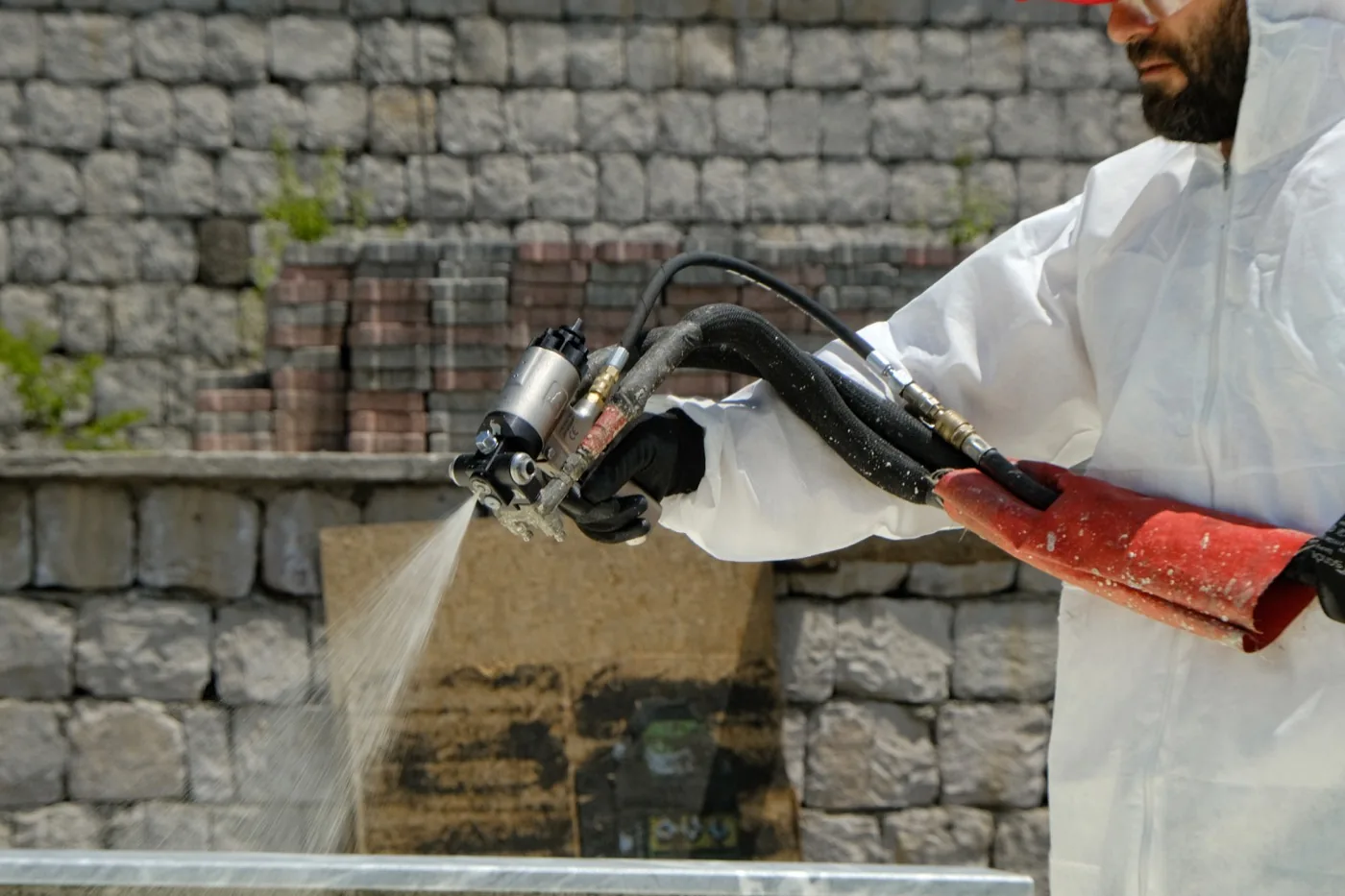
Insulating a new home effectively is crucial for energy efficiency and comfort. Among the various insulation options available, spray foam is rapidly gaining popularity for its superior thermal performance and ease of installation. This article aims to guide you through the project planning and execution stages of using spray foam insulation for your new home construction.
Assessing Your Insulation Needs
Before you jump into the world of spray foam insulation, it’s vital to assess the specific insulation needs of your new home.
– Determine the R-values needed for different areas of the home, such as walls, attics, and basements.
– Conduct a comprehensive energy audit to understand your overall insulation requirements.
Choosing the Right Type of Spray Foam
There are primarily two types of spray foam insulation: open-cell and closed-cell. Each has its benefits and drawbacks.
– Open-cell is more breathable but offers lower R-values.
– Closed-cell provides higher R-values and adds structural integrity but is more expensive.
Budgeting and Cost Estimates
Insulating a home is a significant investment, so it’s essential to prepare a budget and get accurate cost estimates.
– Request quotes from multiple contractors for a competitive pricing overview.
– Consider long-term savings on energy bills when calculating the cost-effectiveness.
Hiring a Qualified Contractor
The quality of your spray foam insulation is only as good as the contractor applying it. Hence, selecting the right professional is crucial.

– Check certifications, reviews, and ask for references.
– Make sure the contractor is experienced with new home construction and spray foam applications.
Preparing for Installation
Proper preparation is key to ensuring the installation process goes smoothly and safely.
– Clear the areas where the foam will be applied to prevent contamination.
– Ensure proper ventilation and safety measures are in place for the installation day.
Post-Installation Assessment and Quality Checks
Once the installation is complete, it’s crucial to assess the work for quality and efficiency.
– Conduct thermal imaging tests to identify any gaps or weaknesses.
– Review warranties and maintenance guidelines with your contractor.
Spray foam insulation is an excellent choice for new home construction, offering unparalleled thermal performance and ease of installation. However, the key to a successful project lies in meticulous planning and execution. From assessing your needs and choosing the right foam type to budgeting and hiring qualified professionals, each step is crucial. By following this guide, you can ensure your new home is not only comfortable but also energy-efficient for years to come.