
While most people associate spray foam insulation with improving energy efficiency, it also has a lesser-known benefit: soundproofing. Spray foam can significantly reduce noise transmission in your home, making it an excellent choice for those looking to create a quieter living space. In this article, we'll explore how spray foam insulation can contribute to soundproofing your home.
Absorbing Sound Waves
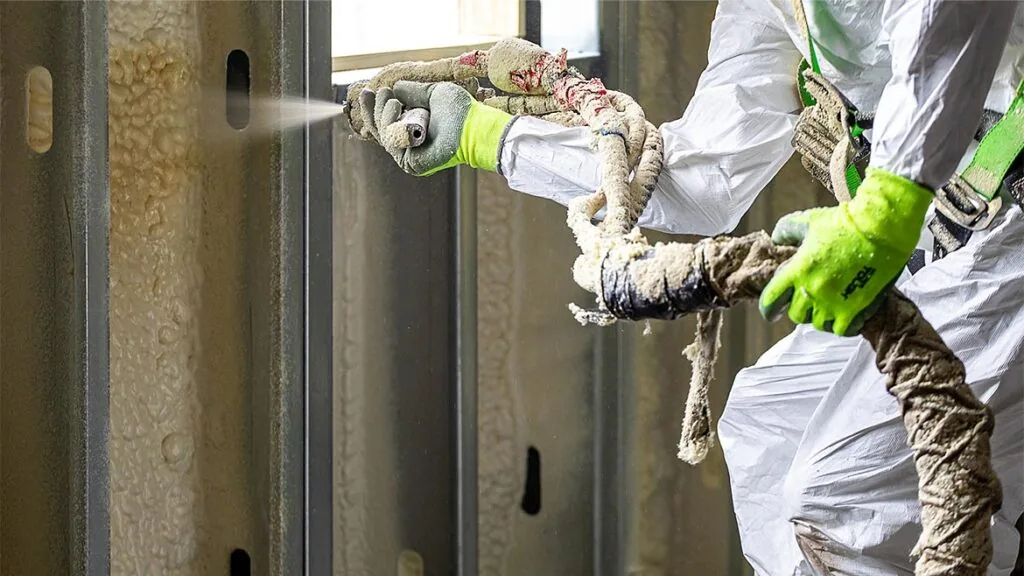
Spray foam, especially open-cell foam, is highly effective at absorbing sound waves. The foam's porous structure traps sound energy, reducing noise transmission through walls, floors, and ceilings.
- Open-cell foam: Best for sound absorption because its structure allows sound waves to enter, where they are gradually absorbed and dissipated.
- Closed-cell foam: While primarily used for thermal insulation, it still offers soundproofing benefits by creating a solid barrier that limits sound transmission.
Sealing Gaps and Cracks
One of the key reasons spray foam is effective at soundproofing is its ability to expand and seal gaps and cracks. These small openings are often the source of noise leaks in homes, allowing sounds to travel freely from one room to another or from the outside.
- Sealing these gaps helps block sound from entering or exiting your home, creating a more peaceful environment.
Reducing Noise Transmission Between Floors
In multi-story homes, sound can easily travel between floors, particularly from footsteps, furniture movement, or everyday activities. Spray foam can be applied in between floors to create a buffer, reducing the transmission of noise between levels.
- This is particularly beneficial in homes where bedrooms are located above living areas, providing quieter and more restful spaces.
Enhancing Privacy
Soundproofing with spray foam not only minimizes outdoor noise but also enhances privacy within your home. It reduces the transfer of sound from room to room, making it ideal for home offices, bedrooms, or entertainment rooms.
- Whether you're working from home or trying to enjoy a quiet evening, the sound-blocking qualities of spray foam can make a noticeable difference.
Conclusion
Spray foam insulation is more than just an energy-efficient choice—it's a versatile solution for improving soundproofing in your home. From absorbing sound waves to sealing gaps and reducing noise transmission, spray foam creates a quieter, more peaceful living environment. For homeowners looking to enhance both insulation and soundproofing, spray foam is a smart investment. Contact a local spray foam expert to explore how this solution can work for your home.