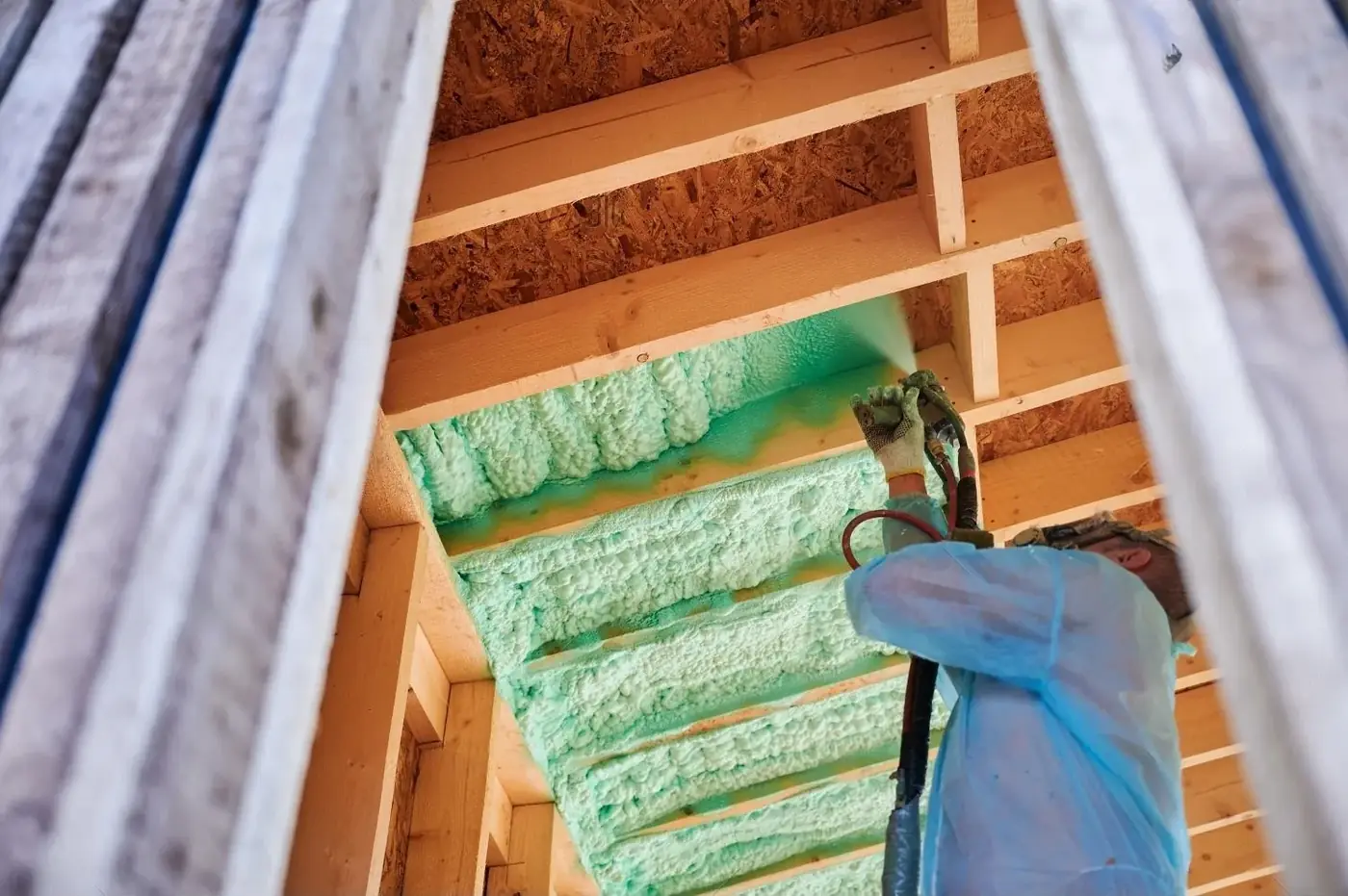
As homeowners become increasingly eco-conscious, the materials used in home construction and renovation come under scrutiny. Spray foam insulation, popular for its superior insulating properties, has been a topic of discussion regarding its environmental impact. Here’s a comprehensive breakdown to help you understand the environmental ramifications of using spray foam insulation:
Reduction in Energy Consumption
Spray foam insulation is renowned for its energy efficiency, but how does that translate to environmental benefits?
– Thermal Efficiency: Spray foam Ottawa offers high R-values, reducing the need for heating or cooling, leading to less energy consumption.
– Long-Term Savings: Given its durability, the insulation remains effective for years, ensuring sustained energy savings.
Chemical Components and Off-Gassing
While spray foam Ottawa has its advantages, it’s essential to be aware of its chemical nature.
– Volatile Organic Compounds (VOCs): Some spray foams release VOCs during and after installation, which can affect indoor air quality.
– Green Alternatives: The industry is evolving, with newer formulations having reduced VOC content and more environmentally friendly components.
Resource Efficiency
The production process and the materials used in spray foam insulation also have environmental implications.
– Raw Material Extraction: The extraction and processing of petrochemicals, a primary component of spray foam, have environmental costs.
– Innovations in Production: The insulation industry is researching bio-based foams and recycled content to reduce the reliance on non-renewable resources.
Waste Reduction
How does spray foam insulation Ottawa contribute to reducing waste?
– Durability: Given its long lifespan, homeowners don’t need to replace or replenish the insulation frequently, reducing waste.
– On-Site Efficiency: Spray foam Ottawa is applied directly, minimizing off-cuts and leftover materials.
Carbon Footprint
The carbon footprint of spray foam insulation stems from its production to its application.
– Transportation Impact: Being lightweight, transporting spray foam requires less energy compared to some other insulation materials.
– Reduction in Household Carbon Footprint: By enhancing energy efficiency, spray foam Ottawa reduces the household’s overall carbon emissions.
Health and Safety Considerations
It’s crucial to consider the health implications, both for installers and residents.
– Proper Installation: Ensuring adequate ventilation during installation and allowing off-gassing can mitigate health risks.
– Safety Gear: Installers should use appropriate safety equipment to prevent inhalation of harmful fumes.
In conclusion, while spray foam insulation offers significant environmental benefits, particularly in terms of energy efficiency, it’s essential to understand its complete environmental impact. Homeowners looking to make eco-friendly choices should weigh the pros and cons and consider the advancements in the industry aimed at reducing the environmental footprint of spray foam insulation.